

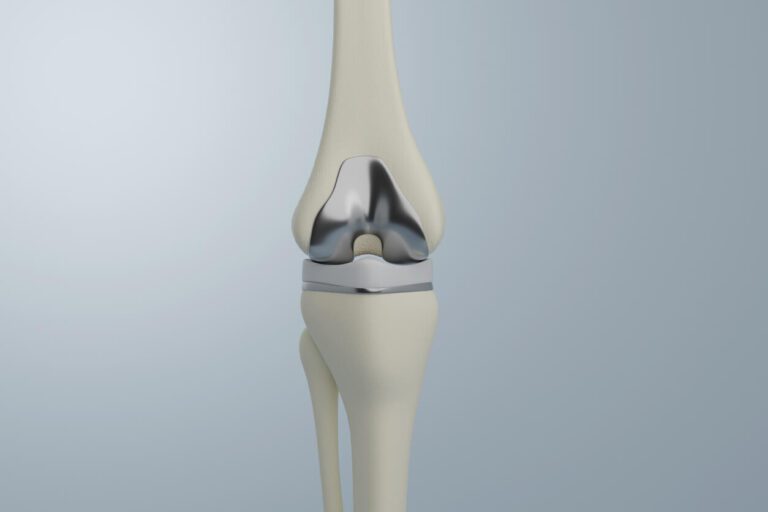
Delaying a necessary knee replacement can lead to irreversible joint damage, progressive muscle atrophy, and permanent gait abnormalities, making eventual surgical recovery significantly more complex.
In short,
- Delaying knee surgery allows joint damage to progress, wearing away cartilage and causing severe pain, stiffness, and visible leg bowing.
- When treatments like physical therapy or injections no longer work, knee replacement surgery can restore your joint function and alignment.
- Seeing knee replacement surgery doctors near you early can prevent permanent muscle weakness and long-term loss of mobility.
Joint Preservation and Delay Risks
Delaying knee surgery can have a lasting impact on your long-term mobility. When osteoarthritis or joint damage worsens, timely care is key to relieving pain and restoring your movement. While it is natural to feel anxious about surgery, waiting often makes the procedure and your recovery much more complex.
According to the Mayo Clinic, putting off joint surgery can lead to physical limitations that are harder to reverse over time.
Living with chronic pain also takes a heavy emotional toll, often leading to anxiety and social isolation as your mobility declines.
Causes and Risk Factors of Advanced Knee Degeneration
Understanding what drives joint damage can help you make more informed decisions about your care.
Primary Pathological Triggers
Several types of arthritis can lead to severe joint damage and chronic pain.
- Severe osteoarthritis wears away the protective cartilage cushioning your bones, causing painful bone-on-bone friction and permanent joint damage.
- Post-traumatic arthritis develops after physical injuries like fractures or ligament tears, altering how your joint carries weight and accelerating wear even years later.
- Rheumatoid arthritis is an autoimmune condition where the body attacks its joint lining, causing chronic swelling that can destroy cartilage and bone, leading to joint deformities and limited mobility.
Accelerated Wear Factors
Continuous physical stress on your joints, known as chronic mechanical overload, significantly speeds up the breakdown of protective cartilage. When your joints are constantly subjected to heavy forces, the natural cushioning wears away much faster than it can repair itself.
According to the Centers for Disease Control and Prevention (CDC), carrying extra body weight dramatically increases the pressure on your weight-bearing joints. In fact, every single pound of excess weight can multiply the force exerted on your knees by four times, accelerating joint damage over time.
Daily work habits and physical alignment also play a major role in joint health. Jobs that require repetitive heavy lifting, kneeling, or standing put constant stress on specific areas, while poor joint alignment causes uneven wear and tear that leads to rapid decline.
Risk Multipliers
Several everyday factors can speed up joint damage and weaken your body’s natural defenses:
- Aging slows down your body’s natural ability to repair and rebuild joint tissue.
- Family history and genetics can make your cartilage more vulnerable to wear and tear.
- A sedentary lifestyle weakens the muscles that support your joints.
Without strong supporting muscles, your joints absorb more daily impact, which speeds up structural damage.
Signs and Symptoms of Worsening Joint Pathology
As joint damage progresses, you may notice distinct physical changes and warning signs that require medical attention.
Progressive Pain Patterns
You may experience a deep, throbbing ache within the joint that becomes significantly worse after standing, walking, or carrying groceries. This type of pain is a clear sign that the protective cartilage is wearing thin and the joint structure is deteriorating.
Pain that keeps you awake at night or wakes you from a sound sleep is another warning sign of advanced joint damage. This persistent discomfort makes it difficult to find a comfortable resting position, leading to chronic fatigue.
You might also notice severe stiffness that lasts for more than thirty minutes in the morning or after sitting for a while. This ongoing stiffness indicates that the joint is losing its natural lubrication and flexibility.
Mechanical Joint Failures
When you experience clicking, grinding, or sudden locking in your joint, it is often a sign of loose cartilage fragments. As the protective cartilage wears away, small pieces can break off and become trapped within the joint space.
This disruption prevents smooth movement, which can make your joint feel unstable or cause it to catch unexpectedly during daily activities.
Structural and Functional Decline
When cartilage wears away completely, the bones rub together and cause friction. This friction leads to painful inflammation, visible swelling, and fluid buildup around the joint.
You may also notice a significant loss in your range of motion. It becomes much harder to bend, straighten, or rotate the joint during your normal daily activities.
In advanced stages, the joint can actually begin to shift out of its proper alignment. This structural decline can cause visible changes, such as bowing of the legs, which indicate severe cartilage loss.
Diagnosis and Comprehensive Orthopedic Evaluation
Knee replacement surgery doctors near you use a variety of exams and imaging tests to understand the health of your joint and plan your care.
- Clinical Assessments: Evaluations begin with a medical history review, physical range-of-motion exams, and stability testing.
- Advanced Imaging: Weight-bearing X-rays visualize joint space narrowing, while MRI scans assess soft tissue damage, and alignment scans evaluate biomechanics.
- Functional Testing: Walking speed assessments and pre-surgical medical clearances ensure safety during anesthesia.
Treatment Options and Interventions
Non-surgical treatments like physical therapy, joint injections, and lifestyle changes are excellent first steps to manage pain. These conservative therapies can help you maintain your mobility and delay the need for surgery for a significant amount of time.
However, waiting too long to transition to surgical care can sometimes limit your long-term recovery. Over time, severe joint wear can lead to muscle weakness, joint misalignment, and bone loss, which may make your post-surgery rehabilitation more difficult.
Working closely with our knee replacement surgery doctors near you will help you determine the safest and most effective time to take the next step.
Surgical Intervention (Arthroplasty)
When non-operative therapies no longer restore functional mobility or control pain, joint replacement is the definitive clinical intervention. Depending on the extent of cartilage wear, surgeons perform:
- Partial Knee Replacement: Resurfacing isolated damage to preserve healthy bone and ligaments.
- Total Knee Arthroplasty (TKA): Replacing the entire articulating surface with advanced biocompatible titanium and medical-grade polyethylene components to re-establish proper mechanical axis alignment.
Undergoing surgery before severe structural collapse occurs ensures better bone stock, healthier surrounding ligaments, and a far more predictable outcome.
Post-Operative Rehabilitation
Rehabilitation begins within hours of surgery, emphasizing immediate weight-bearing, range-of-motion exercises, and quad activation.
Patients who undergo surgery before profound muscle wasting sets in typically achieve milestones faster, experience lower complication rates, and transition back to independent daily activities more smoothly.
When to Seek Knee Replacement Surgery Doctors Near You
Consider consulting an orthopedic specialist when conservative treatments no longer provide relief from your joint pain. This includes non-surgical options such as physical therapy, cortisone injections, and pain management medications.
Delaying necessary care can lead to chronic complications, including permanent changes to your walking pattern and progressive muscle weakness. Waiting too long can also place extra stress on your other joints, making your eventual post-surgery recovery more difficult.
Frequently Asked Questions (FAQ)
Below are answers to common questions about the clinical risks of putting off joint replacement surgery, irreversible joint changes, and what to expect when consulting knee replacement surgery doctors near you.
What are the primary physical dangers of delaying necessary knee replacement surgery?
Delaying a knee replacement allows cartilage to wear away until bones rub directly together. Over time, this bone-on-bone friction can cause bone loss, painful bone spurs, and visible leg bowing. It also weakens your thigh muscles and stiffens the joint, making eventual surgery and recovery much more difficult.
How does chronic knee pain alter overall gait biomechanics and secondary joints?
Limping to protect a painful knee changes your natural stride. This shift puts extra stress on your other knee, hips, and lower back. Over time, this imbalance can cause new, chronic pain in these other joints.
How do I know when non-surgical treatments are no longer enough?
Non-surgical treatments like injections, physical therapy, and medication help manage mild-to-moderate pain. Consider discussing surgery with our knee replacement surgery doctors near you if these options no longer provide relief.
Other signs it may be time for surgery include waking up from pain, morning stiffness lasting over 30 minutes, or difficulty with daily activities like walking and climbing stairs.
Why does having surgery before severe muscle atrophy occurs improve recovery?
Your recovery and walking speed depend heavily on your leg strength before surgery. If you wait too long, weakened muscles will make your rehab take much longer. Having surgery while your muscles are still strong helps you walk on your own sooner and recover faster.
What is the difference between a partial knee replacement and a total knee replacement?
A partial knee replacement replaces only the damaged part of your joint, saving your healthy bone and ligaments. A total knee replacement replaces the entire joint surface with metal and plastic parts to restore your leg’s alignment.
Schedule A Consultation with Our Knee Replacement Surgery Doctors Near You in Ft. Lauderdale, FL
Postponing a necessary knee replacement can lead to irreversible joint damage, muscle loss, and long-term changes in how you move, all of which make future surgery and recovery much harder.
Consulting with experienced knee replacement surgery doctors near you early ensures you address pain before it becomes debilitating, giving you the best chance at a smooth recovery and a return to the activities you love.
If conservative treatments are no longer effective, don’t wait for your symptoms to worsen. Schedule a consultation with Paul Meli Orthopedics by calling (954) 324-7711 or using our online appointment request form.