

In short, the best treatment depends on the severity of your injury and your lifestyle goals.
- Conservative care is effective. Many patients experience significant relief and restored function through physical therapy and anti-inflammatory measures without requiring surgery.
- Surgery helps active patients. Individuals who lead active lifestyles or suffer from acute, full-thickness tears often require surgical repair to regain full strength.
- Early diagnosis improves outcomes. Seeking professional evaluation immediately allows for a wider range of treatment options and prevents the injury from worsening.
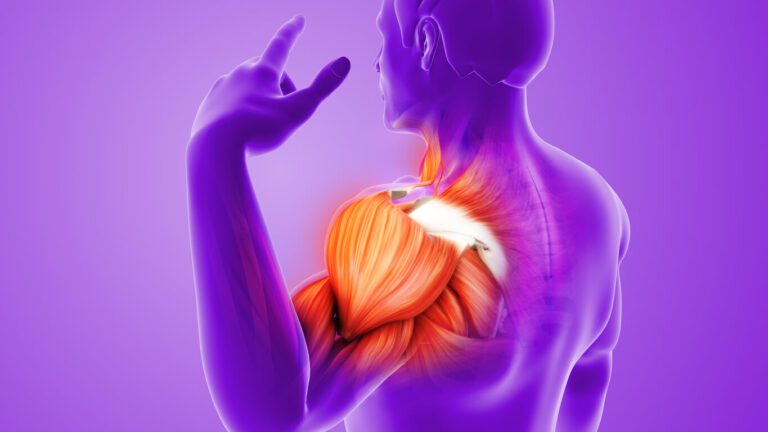
A rotator cuff tear is a prevalent source of shoulder pain and disability that affects millions of people annually. You may experience a dull ache deep in the shoulder or sharp pain when you attempt to lift your arm. This injury involves a rip in the group of muscles and tendons that keep the head of your upper arm bone firmly within the shallow socket of the shoulder.
Determining the right path for recovery often feels overwhelming because medical advice varies based on individual needs. There is no single solution that works for every patient.
This guide explores the most effective rotator cuff tear treatment options available today to help you make an informed decision.
What Factors Determine the Best Treatment?
Your doctor cannot suggest a treatment plan without first evaluating the specific nature of your injury. Several variables influence which route will provide the best long-term results for your shoulder health.
- The size and location of the tear play a massive role. A partial tear might heal with rest, while a complete rupture often necessitates intervention.
- Your personal activity level is also a deciding factor. An athlete who needs to throw a ball requires a different approach than someone who leads a sedentary lifestyle.
- Age and general health contribute to the decision, as well. Younger patients with acute tears usually opt for surgery, whereas older adults with degenerative tears often start with conservative management.
Can a Rotator Cuff Tear Heal On Its Own?
Many patients ask if a rotator cuff tear can heal without medical intervention. The answer is complex and depends on the type of tear you have.
Partial tears can often become pain-free with proper rest. However, the tendon tissue itself typically does not regenerate, but physical therapy strengthens the surrounding muscles to compensate.
Full-thickness tears do not typically heal back to the bone without surgery.
Even if the tendon does not physically heal, you can still achieve a pain-free shoulder. Many people manage their symptoms successfully through strengthening exercises that compensate for the damaged tendon.
What are Non-Surgical Treatment Options?
Conservative management is often the first line of defense for degenerative tears. Doctors usually recommend these methods before considering invasive procedures.
Rest and Activity Modification
The first step in any rotator cuff tear treatment plan is usually rest. You must avoid activities that cause shoulder pain, especially overhead movements.
Your doctor may recommend wearing a sling for a short period to keep the shoulder still. This allows the inflammation to subside and prevents further damage to the tendon.
Physical Therapy and Strengthening
Physical therapy is the cornerstone of non-surgical treatment. A therapist will guide you through specific exercises designed to restore flexibility and range of motion.
Strengthening the muscles that support your shoulder can relieve pain and prevent future injuries. A study published in the Journal of Shoulder and Elbow Surgery suggests that physical therapy effectively treats up to 75% of patients with atraumatic full-thickness tears.
Medications and Injections
Over-the-counter pain relievers such as ibuprofen (Advil, Motrin IB) or naproxen sodium (Aleve) help reduce pain and swelling. These medications allow you to participate more comfortably in physical therapy.
If oral medications do not provide relief, your doctor might suggest a cortisone injection. This powerful anti-inflammatory medication is injected directly into the shoulder joint.
While injections can provide temporary relief, they are not a permanent cure. Frequent use of steroid injections may weaken the tendon over time.
Some doctors also offer regenerative medicine options like PRP, which may help healing without the risk of tendon weakening associated with steroids.
When is Surgery the Best Option?
Surgery becomes the best rotator cuff tear treatment when conservative methods fail to reduce pain. It is also the primary recommendation for acute injuries caused by trauma.
If you have a large tear (more than 3 centimeters) and the surrounding tissue quality is good, surgery is likely necessary. Significant weakness or loss of function usually indicates a need for repair.
Athletes or those who perform repetitive overhead work are strong candidates for surgical repair. The goal is to reattach the tendon to the head of the humerus (upper arm bone).
Types Of Rotator Cuff Surgery
- Arthroscopic repair is the most common surgical method used today. Your surgeon inserts a small camera and instruments through tiny incisions to repair the tear.
- Open repair involves a larger incision and is sometimes necessary for complex or massive tears. This allows the surgeon to see the shoulder muscles directly.
What Does The Recovery Process Look Like?
Recovery from a rotator cuff tear requires patience and dedication, regardless of the treatment method. It is a slow process that happens in stages.
If you choose non-surgical treatment, you may see improvements in 6 to 12 weeks. However, it can take several months to regain full strength.
Surgical recovery is more intensive and involves immobilization in a sling for 4 to 6 weeks. You will then progress to passive motion exercises assisted by a therapist.
Active motion usually begins around 12 weeks post-surgery. Full recovery and return to sports can take 6 months to a year.
Rotator Cuff Tear Treatment in Ft. Lauderdale, FL
Shoulder pain can disrupt your sleep, work, and daily life. You do not have to live with the limitations of a rotator cuff injury.
Dr. Paul Meli is a board-certified orthopedic surgeon specializing in sports medicine and arthroscopic surgery in Fort Lauderdale. Our Dr. Meli utilizes the most advanced techniques to diagnose and treat shoulder conditions effectively.
Whether you require a conservative rehabilitation plan or minimally invasive surgical repair, Dr. Meli can create a personalized approach for you. His goal is to help you return to your active lifestyle safely and quickly.
Contact our office today at (954) 324-7711 or request an appointment online to schedule a consultation regarding your rotator cuff tear treatment in Fort Lauderdale.