

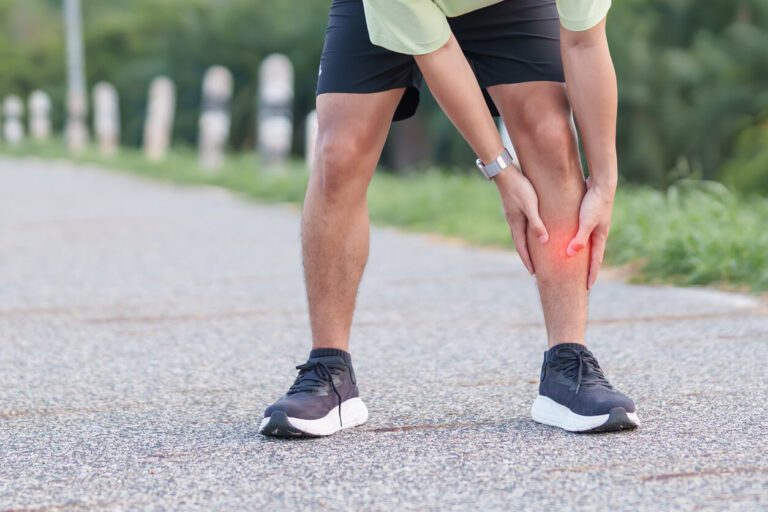
Ignoring shin splints long enough turns a manageable overuse injury into a potentially season-ending or career-altering problem. Here is what you need to know before that nagging lower leg pain becomes something far more serious.
- Pain that does not go away: Shin splints left untreated can progress from activity-related discomfort to persistent, round-the-clock pain that interferes with everyday tasks like walking or climbing stairs.
- A stress fracture risk that grows with every step: Continuing to run or train through shin splint pain dramatically increases the likelihood that small bone stress will develop into a full tibial stress fracture, which requires weeks to months of immobilization to heal.
- Recovery takes far longer than rest would have: Seeking care early, including learning how to get rid of shin splints through rest, targeted exercises, and proper footwear, typically resolves the condition in three to four weeks; untreated cases can linger for months or require surgical intervention.
What Are Shin Splints, and Who Gets Them?
Knowing how to get rid of shin splints starts with understanding exactly what they are. Shin splints, clinically known as medial tibial stress syndrome (MTSS), develop when the muscles, tendons, and connective tissue surrounding the shin bone (tibia) become inflamed from repeated stress. The bone itself can also weaken under that repeated load.
According to the Cleveland Clinic, shin splints are one of the most common overuse injuries seen in athletes and active individuals. They affect between 13.6% and 20% of runners and account for up to 60% of all lower limb overuse injuries, according to research published in the National Institutes of Health (NIH). In military populations, the prevalence can climb as high as 35%.
Common risk groups include:
- Runners who rapidly increase their weekly mileage
- Military recruits subjected to high-volume marching and running drills
- Dancers and athletes in high-impact sports
- Individuals with flat feet or high arches, which alter how impact force travels through the leg
- People with vitamin D deficiency, low bone density, or a history of disordered eating
Why Do People Push Through Shin Splint Pain?
The early stages of shin splints often feel like a dull ache that fades once the body warms up. That deceptive relief makes it easy to rationalize continuing to train. Competitive athletes, military personnel, and fitness enthusiasts frequently equate discomfort with effort, a mindset that can cause real harm when an overuse injury is involved.
The problem is that the bone and surrounding tissue are not recovering between sessions. Each training bout compounds the damage until the body can no longer compensate.
What Happens When You Ignore Shin Splints?
Untreated shin splints do not simply plateau. They follow a predictable and increasingly damaging progression that makes the question of how to get rid of shin splints far more complicated than it needs to be.
Does Ignoring Shin Splints Lead to Constant Pain?
Yes. Early shin splint discomfort typically appears during activity and fades with rest. Left unaddressed, that pattern shifts. Pain begins before workouts, persists throughout, and lingers for hours or days afterward.
Eventually, the ache becomes present even during non-athletic activities such as walking, standing for extended periods, or ascending stairs. At that stage, the injury has moved well beyond a minor nuisance.
Can Shin Splints Turn into a Stress Fracture?
This is the most serious and well-documented consequence of ignoring shin splints. Continuing to run or play sports without allowing the legs to heal can cause shin splints to progress into a tibial stress fracture. This is a condition where small cracks form in the bone itself.
Stress fractures typically require crutches or a walking boot for several weeks. Full return to sport can take anywhere from six to eight weeks for a minor fracture, and significantly longer for more severe cases. What could have been resolved with two to four weeks of modified activity becomes a multi-month setback.
Do Untreated Shin Splints Affect More Than Just the Shin?
Yes, and this is an often-overlooked consequence. When one area of the lower leg is painful, the body instinctively compensates by altering gait mechanics. Over time, those altered mechanics place abnormal stress on the knees, hips, and lower back.
A 2026 review published in Quality in Sport found that MTSS is a multifactorial condition linked to mechanical overload and biomechanical factors. The review emphasized that interventions targeting neuromuscular control and training-load optimization are among the most promising approaches for both treatment and prevention, suggesting that the ripple effects of untreated shin splints extend well beyond the tibia.
Is Permanent Injury Possible from Neglected Shin Splints?
Yes. While complications are not universal, they are well documented. Orthopedic Associates notes that recurring shin splints, when left without full treatment, carry a real possibility of permanent injury.
Chronic cases may also develop into compartment syndrome, a condition involving dangerous pressure buildup within the muscle compartments of the lower leg that can require surgical intervention.
How Are Shin Splints Diagnosed?
A healthcare provider diagnoses shin splints through a physical examination and medical history review. The examination typically involves assessing gait, palpating the tibia for tenderness, and testing range of motion at the ankle and foot.
To rule out a stress fracture, an X-ray may be ordered. However, stress fractures do not appear on plain X-rays in approximately two-thirds of cases. If a stress fracture is suspected, a magnetic resonance imaging (MRI) scan or bone scan provides more reliable imaging. Both of those tests detect bone stress injury before an X-ray can.
How to Get Rid of Shin Splints: What Actually Works
The good news is that shin splints, when caught early, respond well to conservative treatment. Knowing how to get rid of shin splints effectively means addressing both the immediate inflammation and the underlying causes.
Rest and Load Modification
Rest is the single most important component of shin splint treatment. Health experts recommend taking a full break from running, jumping, and other high-impact activities to allow bone and muscle tissue to recover. That rest period typically lasts a few weeks, depending on severity.
Low-impact alternatives such as swimming or cycling allow cardiovascular fitness to be maintained without aggravating the tibia.
Ice, Anti-Inflammatory Medications, and Supportive Footwear
Applying ice to the affected shin for 10 to 20 minutes, three to four times daily, helps reduce swelling and pain. Over-the-counter nonsteroidal anti-inflammatory drugs (NSAIDs) such as ibuprofen (Advil, Motrin) or naproxen (Aleve) can also ease discomfort during the acute phase.
Footwear matters significantly. Worn-out running shoes or shoes that fail to support the arch increase tibial stress. Ortho doctors recommend replacing running shoes every 300 miles and considering orthotic inserts for individuals with flat feet or high arches.
Physical Therapy and Strengthening Exercises
Physical therapy addresses the muscular imbalances and biomechanical patterns that contribute to MTSS in the first place. A 2024 randomized controlled trial published in the Journal of Orthopaedic Surgery and Research found that hip abductor training significantly reduced pelvic drop and knee valgus, two biomechanical dysfunctions commonly associated with MTSS, in runners with the condition.
Targeted strengthening of the hip abductors, calf complex, and foot intrinsic muscles reduces the mechanical load on the tibia during running, which is central to understanding how to get rid of shin splints and keep them from returning.
Vitamin D Supplementation
Vitamin D3 supplements may support recovery, particularly in individuals with documented deficiency. Vitamin D plays a direct role in bone remodeling and strength. Anyone considering supplementation should consult a healthcare provider before starting.
How Can You Prevent Shin Splints from Returning?
Once the acute phase has resolved, the goal shifts to preventing recurrence. The “10% rule” is a practical starting point: never increase total weekly training volume by more than 10% from one week to the next.
Additional preventive measures include:
- Warming up properly before every session with dynamic stretching and low-intensity movement
- Cross-training with low-impact activities such as swimming or cycling to reduce cumulative tibial load
- Running on softer, even surfaces rather than concrete or uneven terrain whenever possible
- Monitoring pain as a guide and reducing activity at the first sign of shin discomfort, rather than pushing through it
Learn How to Get Rid of Shin Splints in Fort Lauderdale
Knowing how to get rid of shin splints is important, but so is knowing when to seek professional help. Self-managed rest and ice are appropriate first steps, but certain signs indicate that professional orthopedic evaluation is necessary.
Seek an appointment if:
- Shin pain persists for more than two to four weeks of rest without improvement
- The leg is visibly swollen, warm, or red
- Pain is severe enough to cause a limp during normal walking
- There is point tenderness over a specific spot on the bone, which may indicate a stress fracture
Dr. Paul Meli, our orthopedic surgeon in Fort Lauderdale, Florida, specializes in sports medicine and the treatment of musculoskeletal injuries, including conditions such as MTSS and tibial stress fractures.
Early evaluation by our sports medicine–trained orthopedist can confirm the diagnosis, rule out more serious bone injury, and create a structured recovery and return-to-sport plan tailored to your specific activity demands.
To learn more about us or make an appointment with Dr. Meli, call today at (954) 324-7711 or use our appointment request form.