

In short,
- The best knee osteoarthritis treatment combines weight management, physical therapy, and pain control tailored to your severity and lifestyle.
- Treatment options range from lifestyle modifications and medications to injections and surgery, depending on the extent of cartilage damage.
- Early intervention and consistent management can slow progression and significantly improve joint function and quality of life
Understanding Knee Osteoarthritis
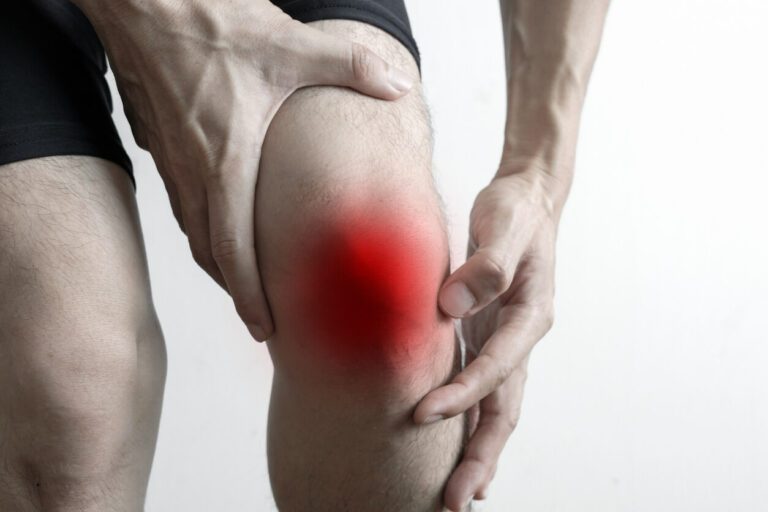
Knee osteoarthritis is a degenerative joint disease causing pain and stiffness due to cartilage breakdown in the knee joint. This smooth tissue covering the ends of bones gradually wears away, allowing bones to rub against each other and creating pain, swelling, and stiffness that impact mobility and quality of life. The condition ranges from mild discomfort to severe, debilitating pain that significantly affects daily activities.
Early diagnosis and appropriate management are crucial for slowing progression, alleviating symptoms, and maintaining function as long as possible.
Causes and Risk Factors
Understanding what contributes to knee osteoarthritis helps guide prevention and treatment strategies.
Primary and Secondary Osteoarthritis
Primary osteoarthritis develops gradually through normal wear and tear, often with genetic predisposition playing a role. Secondary osteoarthritis results from specific causes, including previous knee injuries, infections, or underlying conditions like rheumatoid arthritis.
Identifying which type you have influences treatment approaches.
Modifiable Risk Factors
Obesity significantly increases stress on knee joints, with each excess pound adding approximately four pounds of pressure to the knees during walking. Weight loss can substantially reduce symptoms and slow progression. Repetitive stress from occupations involving prolonged kneeling, squatting, or heavy lifting accelerates cartilage breakdown.
Previous knee injuries, including torn ligaments or meniscus damage, increase the likelihood of developing osteoarthritis years later.
Recognizing Symptoms
Early symptoms include mild knee pain that worsens with activity, morning stiffness that improves with movement, and slight swelling around the joint. As osteoarthritis progresses, pain increases in severity and may occur at rest, the range of motion becomes limited, crepitus or grating sensation develops during movement, and the knee may feel unstable or give way.
When to Seek Medical Care
Consult a doctor for persistent pain interfering with daily activities, progressive stiffness limiting mobility, or inability to bear weight on the affected leg. Seek immediate medical attention for sudden injury to the knee, high fever with knee pain, or a rapidly worsening, swollen, red, and painful knee, as these could indicate infection or other emergencies.
Diagnosis of Knee Osteoarthritis
Accurate diagnosis involves clinical evaluation and imaging studies.
Physical Examination
Your doctor will assess the range of motion, joint stability, and alignment during the physical exam. Palpation identifies areas of tenderness or swelling.
Your gait and posture are evaluated to understand how osteoarthritis affects your movement patterns and whether compensatory changes are occurring.
Imaging Tests
X-rays visualize bones and identify characteristic osteoarthritis changes, including cartilage loss, bone spurs, and joint space narrowing. MRI provides detailed images of soft tissues, including cartilage, ligaments, and meniscus, and may be recommended if there is suspicion of additional damage beyond osteoarthritis.
Joint aspiration may be performed to rule out infection or other conditions if symptoms suggest these possibilities.
Non-Surgical Treatment Options
Most people with knee osteoarthritis benefit from conservative treatments that manage symptoms and maintain function.
Physical Therapy and Exercise
Physical therapy is fundamental to osteoarthritis management. A tailored exercise program focuses on strengthening quadriceps and hamstring muscles to stabilize the knee joint, improving range of motion through stretching exercises, and enhancing balance to prevent falls.
Low-impact aerobic activities like swimming, cycling, and walking maintain cardiovascular fitness without excessive knee stress.
Weight Management
For overweight individuals, weight loss is one of the most effective interventions for knee osteoarthritis. Reducing body weight decreases mechanical stress on the knee, reduces inflammation throughout the body, and can significantly improve pain and function.
Even modest weight loss of 10 to 15 pounds can provide meaningful symptom relief.
Assistive Devices
A cane, walker, or knee brace can reduce joint stress and improve stability. Proper footwear with good cushioning and arch support helps absorb shock during walking. Orthotic inserts may improve alignment and reduce pain.
Medications for Pain Relief
Over-the-counter pain relievers, including acetaminophen and nonsteroidal anti-inflammatory drugs like ibuprofen, manage mild to moderate pain. Prescription NSAIDs may be recommended for more severe pain, though long-term use requires monitoring for side effects, including gastrointestinal and cardiovascular risks.
Topical NSAIDs applied directly to the knee provide pain relief with fewer systemic side effects than oral medications. Consult your doctor before taking any medication, as they can have side effects and interact with other drugs.
Injection Therapies
- Corticosteroid injections directly into the knee joint provide temporary pain relief lasting weeks to months by reducing inflammation. However, frequent injections may potentially damage cartilage.
- Hyaluronic acid injections supplement joint fluid and may provide several months of pain relief for some patients, though effectiveness varies.
- Platelet-rich plasma injections use concentrated platelets from your own blood to promote healing, though research on their effectiveness for osteoarthritis is ongoing.
Surgical Treatment Options
When conservative treatments no longer provide adequate relief, surgical interventions may be appropriate.
Arthroscopy
Arthroscopic surgery uses small incisions and a camera to visualize the joint interior. The surgeon can remove loose cartilage fragments, trim damaged meniscus, or smooth rough cartilage surfaces.
This minimally invasive procedure may provide temporary relief for some patients, though benefits often diminish over time as arthritis progresses.
Knee Replacement Surgery
Total knee replacement or arthroplasty replaces damaged joint surfaces with artificial components. This surgery is typically reserved for severe osteoarthritis causing significant pain and disability that does not respond to conservative treatments.
Partial knee replacement replaces only the damaged portion of the knee and may be appropriate for arthritis limited to one knee compartment. Discuss the benefits, risks, and recovery process thoroughly with an orthopedic surgeon to determine if you are a candidate.
Lifestyle Modifications and Prevention
Proactive strategies help manage symptoms and potentially slow osteoarthritis progression.
Maintain a healthy weight through balanced nutrition and regular physical activity. Engage in low-impact exercises that strengthen supporting muscles without excessive joint stress. Swimming, cycling, and walking are excellent choices. Protect your knees by using proper body mechanics during lifting and avoiding activities that cause pain.
Wear supportive shoes with good cushioning. Incorporate gentle stretching and range-of-motion exercises into your daily routine. Use heat or cold therapy as needed, with heat helping relax muscles and cold reducing swelling.
Pace activities and avoid overexertion by listening to your body and taking breaks when needed. Modify your home environment for safety and independence, such as adding grab bars in the bathroom or using a raised toilet seat if getting up from low surfaces is difficult.
Questions to Discuss with Your Doctor
When consulting about knee osteoarthritis treatment, ask what stage of osteoarthritis you have and what that means for treatment options. Discuss the potential benefits and risks of each treatment approach recommended for your situation.
Inquire about lifestyle changes that can help manage your symptoms. Understand how often you should follow up and what signs indicate your condition is worsening. Ask about emerging treatments or clinical trials you might be eligible for.
Find Expert Knee Osteoarthritis Treatment in Fort Lauderdale
If you are experiencing persistent knee pain, stiffness, or swelling that interferes with your daily life, a professional evaluation can identify the extent of cartilage damage and guide appropriate treatment. Early intervention helps manage symptoms effectively and may slow disease progression.
Our experienced team at Paul Meli Orthopedic Surgery provides comprehensive evaluation and personalized treatment plans for knee osteoarthritis, from conservative management to advanced interventions, helping you maintain mobility and quality of life.
Call us today at (954) 324-7711 or use our online appointment request form to schedule a consultation and discuss the best treatment approach for your knee osteoarthritis.