

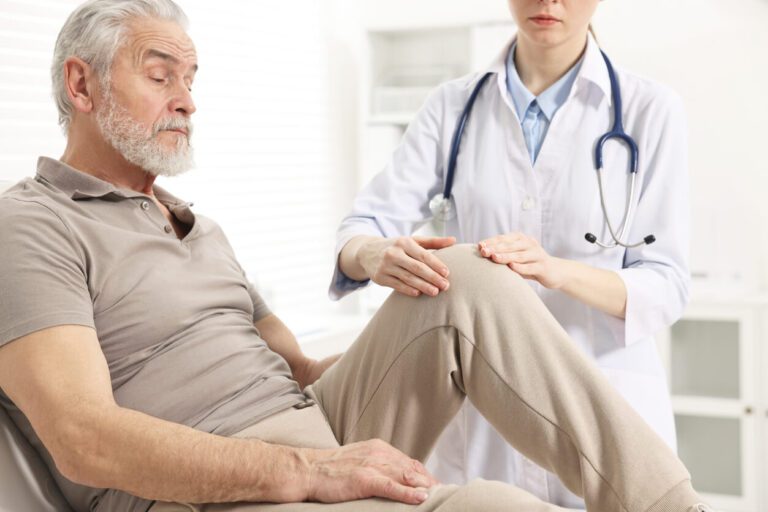
In short, a doctor for knee pain can help you avoid surgery through early intervention, accurate diagnosis, and evidence-based conservative treatments that address the root cause of your discomfort.
- Early intervention matters – Seeking treatment at the first signs of knee pain prevents minor issues from progressing to severe damage requiring surgery.
- Conservative treatments work – Physical therapy, injections, and lifestyle modifications successfully manage many knee conditions without surgical intervention.
- Accurate diagnosis is key – Advanced imaging and comprehensive evaluations identify the exact cause of pain, enabling targeted treatment plans that preserve joint health.
When knee pain disrupts your daily activities, the fear of surgery often looms large. However, consulting a doctor for knee pain early can make all the difference in preserving your joint health and quality of life without going under the knife.
A qualified orthopedic specialist brings years of training and expertise to evaluate your knee pain thoroughly. Rather than immediately recommending surgery, these physicians explore the full spectrum of treatment options designed to reduce pain, restore function, and delay or eliminate the need for invasive procedures.
Understanding When to See a Doctor for Knee Pain
Recognizing the right time to consult a specialist can significantly impact your treatment outcomes. While minor knee discomfort may resolve with rest, certain symptoms warrant immediate medical attention.
Seek evaluation from a doctor for knee pain if you experience:
- Persistent pain lasting more than a few weeks
- Swelling that does not subside
- Difficulty bearing weight on the affected leg
- Visible deformity
- Reduced range of motion
These signs often indicate underlying conditions that benefit from professional intervention before they worsen.
Comprehensive Diagnostic Approaches
The foundation of avoiding surgery begins with an accurate diagnosis. A skilled orthopedic surgeon employs multiple diagnostic tools to identify the exact source of your knee pain.
Physical Examination
Your physician will conduct a thorough physical examination, assessing your gait, joint stability, range of motion, and areas of tenderness. This hands-on evaluation provides valuable insights into which structures may be damaged or inflamed.
Advanced Imaging
Diagnostic imaging plays a crucial role in visualizing internal knee structures. X-rays reveal bone abnormalities and joint space narrowing indicative of arthritis. MRI scans provide detailed images of soft tissues, including cartilage, ligaments, and tendons. CT scans offer three-dimensional views helpful for complex cases.
Laboratory Tests
In some instances, blood tests or joint fluid analysis help rule out infections, gout, or autoimmune conditions contributing to knee pain.
This comprehensive diagnostic process ensures your treatment plan addresses the actual problem rather than just masking symptoms.
Non-Surgical Treatment Options That Work
Once your doctor establishes a diagnosis, several evidence-based conservative treatments can effectively manage knee pain and restore function.
Physical Therapy and Exercise
Physical therapy remains one of the most effective non-surgical interventions for knee pain. A customized exercise program strengthens the muscles surrounding your knee joint, improving stability and reducing stress on damaged structures.
Research published in The New England Journal of Medicine demonstrated that structured physical therapy produced outcomes comparable to arthroscopic surgery for meniscal tears and osteoarthritis, with patients experiencing significant pain reduction and functional improvement.
Your therapist may incorporate strengthening exercises, flexibility training, balance work, and gait training tailored to your specific condition and goals.
Medications and Injections
Various pharmaceutical options help manage inflammation and pain without surgery. Nonsteroidal anti-inflammatory drugs can reduce swelling and discomfort. Topical treatments provide localized relief with fewer systemic side effects.
Injection therapies offer targeted treatment directly into the knee joint. Corticosteroid injections deliver powerful anti-inflammatory effects lasting several weeks to months. Hyaluronic acid injections supplement natural joint fluid, improving lubrication and cushioning. Platelet-rich plasma (PRP) therapy uses your body’s healing factors to promote tissue repair.
Bracing and Assistive Devices
Knee braces provide external support, stabilizing the joint and redistributing weight away from damaged areas. Unloader braces prove particularly effective for unicompartmental osteoarthritis.
Assistive devices such as canes or walking aids reduce the load on your knee during daily activities, allowing healing while maintaining mobility.
Weight Management and Lifestyle Modifications
Excess body weight places additional stress on knee joints. Each pound of body weight translates to approximately four pounds of pressure on your knees during walking. Weight loss significantly reduces this mechanical stress, slowing cartilage degeneration and decreasing pain.
Your physician may recommend activity modifications, avoiding high-impact exercises, and incorporating low-impact alternatives like swimming or cycling that maintain fitness without aggravating your condition.
Regenerative Medicine
Emerging regenerative therapies show promise in treating knee conditions. Stem cell therapy and PRP injections aim to stimulate natural healing processes, potentially regenerating damaged cartilage and reducing inflammation.
While research continues to evaluate long-term effectiveness, many patients report meaningful improvements following these treatments.
Conditions Commonly Managed Without Surgery
Numerous knee conditions respond well to conservative treatment, often eliminating the need for surgical intervention.
Osteoarthritis
This degenerative joint disease develops when protective cartilage wears down over time. While no cure exists, comprehensive management, including physical therapy, weight loss, medications, and injections, can control symptoms and preserve function for years.
Meniscal Tears
The meniscus acts as a shock absorber between your thighbone and shinbone. Tears often occur during twisting movements. Many meniscal tears, particularly degenerative ones in older adults, heal successfully with rest, physical therapy, and anti-inflammatory treatments.
Tendinitis
Inflammation of tendons surrounding the knee, such as patellar tendinitis, typically resolves with rest, ice application, physical therapy, and gradual return to activities.
Bursitis
Inflammation of the fluid-filled sacs cushioning your knee joint responds well to rest, ice, compression, elevation, anti-inflammatory medications, and sometimes corticosteroid injections.
Ligament Sprains
Mild to moderate ligament injuries often heal with bracing, physical therapy, and gradual strengthening exercises, reserving surgery for complete tears in active individuals.
The Role of Patient Education and Compliance
Your active participation significantly influences treatment success. A knowledgeable doctor for knee pain will educate you about your condition, explaining how various treatments work and what to expect during recovery.
Adherence to prescribed treatments, attending physical therapy sessions consistently, performing home exercises, and following activity modifications all contribute to positive outcomes. Patients who engage fully in conservative care achieve better results and less frequently require surgical intervention.
When Surgery May Still Be Necessary
While conservative treatments successfully manage many knee conditions, some situations warrant surgical consideration. Complete ligament ruptures in active individuals, severe cartilage damage with mechanical symptoms, significant instability affecting daily function, or failure of comprehensive conservative treatment may indicate surgery as the most appropriate option.
However, even when surgery becomes necessary, the conservative treatments you have already tried often improve your surgical outcomes and recovery. Stronger muscles, reduced inflammation, and maintained joint mobility create optimal conditions for successful surgical intervention and rehabilitation.
Doctor for Knee Pain in Ft Lauderdale, FL
If you are experiencing knee pain, do not wait for symptoms to worsen. Early intervention offers the best chance of avoiding surgery while maintaining an active, fulfilling lifestyle.
Our orthopedic specialist, Dr. Paul Meli, provides comprehensive evaluations and personalized treatment plans designed to address your specific needs. With advanced diagnostic capabilities and extensive experience in both surgical and non-surgical knee treatments, Dr. Meli and his team can guide you toward the most effective path to recovery.
Contact us at (954) 324-7711 or request an appointment online and discover how expert orthopedic care can help you avoid surgery and reclaim your quality of life.