

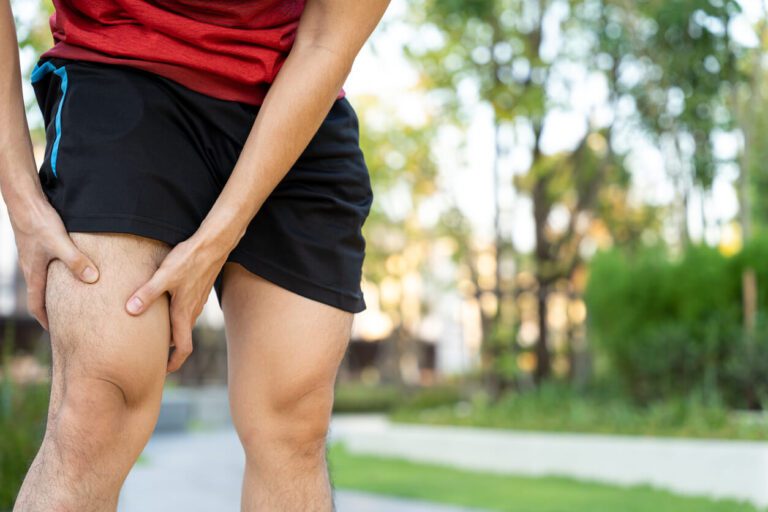
A pulled hamstring is caused by sudden, forceful stretching or overloading of the muscle group at the back of the thigh, and finding the right pulled hamstring treatment is critical for a full recovery. Treatment typically involves a combination of rest, ice, compression, elevation, and structured physical therapy to rebuild strength.
- Rest and ice. Healing begins by resting the leg and applying ice to reduce the initial swelling.
- Physical therapy exercises. A structured rehabilitation program helps restore muscle flexibility and strength safely.
- Medical evaluation. Severe injuries require professional diagnosis and sometimes surgical intervention to repair torn tissues.
Finding the correct pulled hamstring treatment immediately after an injury occurs is essential for preventing long-term damage and chronic pain. Many people do not realize how easily this injury can happen during everyday activities or athletic events. A hamstring strain occurs when the muscles at the back of the thigh stretch beyond their limits or tear completely.
Understanding the anatomy of your leg can help you recognize the severity of the injury. The hamstrings consist of three main muscles that run from the pelvis down to the knee. These muscles allow you to extend your hip and bend your knee, which means they are constantly at work when you walk, run, or jump.
Proper pulled hamstring treatment depends entirely on knowing what caused the injury and accurately assessing the damage. This comprehensive guide will explore the underlying causes of a hamstring strain, how medical professionals diagnose the condition, and the most effective treatment options available.
What Are the Main Causes of a Hamstring Injury?
A hamstring injury typically happens when the muscle fibers stretch too far or contract too quickly. This sudden overload causes the fibers to tear, resulting in immediate pain and loss of function. You must understand the root causes to prevent the injury and to seek appropriate pulled hamstring treatment.
Sudden and Forceful Movements
Activities that require sudden bursts of speed are the most common culprits. Sprinting, lunging, or jumping puts immense stress on the hamstring muscles. When the muscle lengthens while simultaneously bearing a heavy load, it becomes highly susceptible to tearing.
Athletes who participate in sports like soccer, basketball, track, and football frequently experience these injuries. The rapid acceleration and deceleration inherent in these sports demand a lot from the leg muscles.
Muscle Imbalances and Weakness
Muscle imbalances occur when one muscle group is significantly stronger than its opposing group. For many individuals, the quadriceps at the front of the thigh are much stronger than the hamstrings at the back. This imbalance forces the weaker hamstrings to work harder to stabilize the knee joint, increasing the risk of an injury.
Furthermore, general muscle weakness from a lack of conditioning contributes to the problem. Muscles that are not regularly exercised fatigue much more quickly. Fatigued muscles lose their ability to absorb energy safely, making them far more prone to damage.
Poor Flexibility and Tightness
Tight muscles have a reduced range of motion, which means they cannot stretch as far during physical activity. If you do not stretch regularly, your hamstrings become stiff and tight over time. When a sudden movement forces a tight muscle to extend beyond its normal capacity, the fibers simply tear instead of stretching.
It is critical to incorporate regular stretching into your daily routine. A thorough warm-up before any physical exertion prepares the muscles by increasing blood flow and flexibility.
How Do Medical Professionals Diagnose the Injury?
Accurate diagnosis is the foundation of any effective pulled hamstring treatment plan. If you suspect you have torn a muscle, you should consult an orthopedic specialist immediately. The diagnostic process begins with a thorough medical history and a physical examination.
Physical Examination
During the physical examination, your doctor will check the back of your thigh for swelling, bruising, and tenderness. They will gently press along the muscle to pinpoint the exact location of the pain. Your doctor will also ask you to move your leg in specific ways to assess your range of motion and muscle strength.
Your physician will evaluate the severity of the strain based on these physical signs. Hamstring strains are graded on a scale from one to three, with grade one being a mild pull and grade three being a complete muscle tear.
Imaging Tests
To confirm the diagnosis and visualize the extent of the damage, your doctor may order imaging tests. An X-ray is often the first step, especially if the doctor suspects an avulsion fracture. An avulsion fracture occurs when the torn hamstring tendon pulls a small piece of bone away from the pelvis or tibia.
If the X-ray is clear, a magnetic resonance imaging scan, or MRI, provides a detailed view of the soft tissues. The MRI allows the physician to see exactly where the muscle fibers are torn and how severe the tear is. This detailed imagery is crucial for formulating a targeted pulled hamstring treatment plan.
What Is the Most Effective Pulled Hamstring Treatment?
Pulled hamstring treatment varies based on the severity of the injury and the specific needs of the patient. The primary goals are to reduce pain, minimize swelling, and eventually restore full function to the leg. Most hamstring injuries heal effectively with non-surgical, conservative care.
Immediate Non-Surgical Care
In the days immediately following the injury, the focus is on reducing inflammation and protecting the muscle from further harm. Medical professionals universally recommend the P.R.I.C.E. method. This stands for protection, rest, ice, compression, and elevation.
You should rest the leg completely and avoid any activities that cause pain. Applying cold packs for short intervals helps constrict blood vessels and reduce swelling. You might also need to take over-the-counter pain medications, such as ibuprofen (Advil) or acetaminophen (Tylenol), to manage the discomfort.
The Role of Physical Therapy
Once the initial pain and swelling subside, physical therapy becomes the most critical component of your pulled hamstring treatment. A licensed physical therapist will design a customized exercise program tailored to your specific injury. A study published in Arthroscopy, Sports Medicine, and Rehabilitation notes that early, guided mobilization significantly improves long-term outcomes for hamstring strains.
Your physical therapist will begin with gentle stretching exercises to restore flexibility and prevent scar tissue from restricting movement. As you progress, the program will incorporate strengthening exercises to rebuild the muscle fibers. Eccentric strength training is particularly effective for hamstring rehabilitation.
Surgical Intervention for Severe Tears
While uncommon, some severe hamstring injuries require surgical treatment. Surgery is typically reserved for grade three injuries where the muscle tendon has completely detached from the bone. It may also be necessary if a large piece of bone was pulled away during an avulsion fracture.
During the surgery, the orthopedic surgeon will reattach the torn tendon to the bone using special anchors or stitches. The recovery from surgery is extensive, requiring a period of immobilization followed by months of rigorous physical therapy.
What Do the Latest Medical Studies Reveal?
Recent medical research has shed light on the increasing frequency of hamstring injuries and the best ways to treat them. Understanding these trends helps orthopedic specialists refine their approaches to pulled hamstring treatment.
A study by the National Institutes of Health (NIH), titled “Prevention and Rehabilitation of the Athletic Hamstring Injury” highlights that hamstring strain incidence rates have increased significantly over the last decade. The researchers attribute this rise to higher intensity training regimens and inadequate recovery periods among athletes. This data emphasizes the urgent need for comprehensive injury prevention programs.
Frequently Asked Questions (FAQ)
Below you will find common questions about pulled hamstring treatment.
How long does a pulled hamstring take to heal?
The recovery time depends entirely on the severity of the muscle strain. A mild grade one strain may heal in just a few weeks with proper rest and care. However, a severe grade three tear that requires surgery can take three to six months of extensive rehabilitation before you can return to normal activities.
Should I use heat or ice for pulled hamstring treatment?
During the first 48 to 72 hours after the injury, you should only use ice to reduce swelling and numb the sharp pain. Once the initial inflammation has completely subsided, you can begin applying heat.
Heat therapy helps increase blood flow to the area, which relaxes tight muscles and promotes tissue healing.
Can I walk on a pulled hamstring?
If you have a mild strain, you may be able to walk with a slight limp, but you should avoid pushing yourself. If you have a moderate to severe tear, walking will be extremely painful and can cause further damage to the muscle.
In these cases, your doctor will likely prescribe crutches to keep your weight off the injured leg.
How can I prevent a pulled hamstring from happening again?
The best way to prevent re-injury is to fully complete your physical therapy program and rebuild your muscle strength. You must also commit to a regular stretching routine to maintain flexibility in your hamstrings and quadriceps.
Always perform a thorough, dynamic warm-up before participating in sports or heavy physical labor.
Find Expert Pulled Hamstring Treatment in Ft. Lauderdale, FL
If you are suffering from a painful leg injury, you do not have to navigate the recovery process alone. Securing the right pulled hamstring treatment in Ft. Lauderdale is the best way to ensure you regain your strength and mobility safely. The dedicated medical professionals at Paul Meli Orthopedic Surgery have extensive experience diagnosing and treating all types of sports injuries.
Dr. Paul Meli and his compassionate team utilize the latest diagnostic tools and evidence-based rehabilitation protocols to get you back on your feet. Do not let a muscle strain limit your lifestyle or cause chronic pain down the road.
Contact Paul Meli Orthopedics today at (954) 324-7711 or use our online appointment form to schedule a comprehensive consultation and begin your journey toward a full recovery.